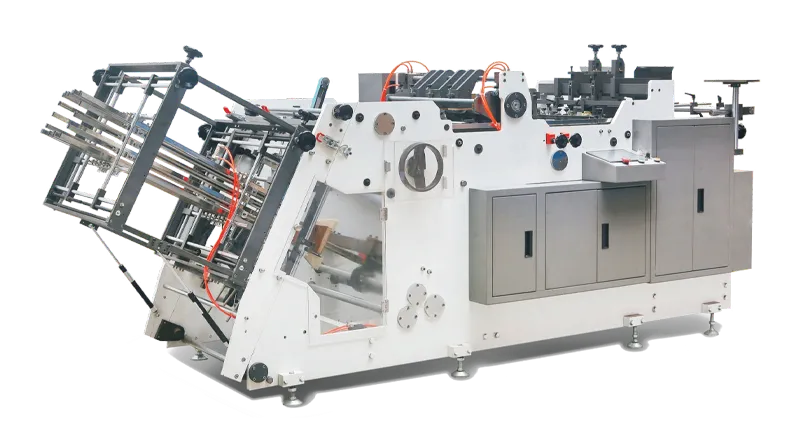
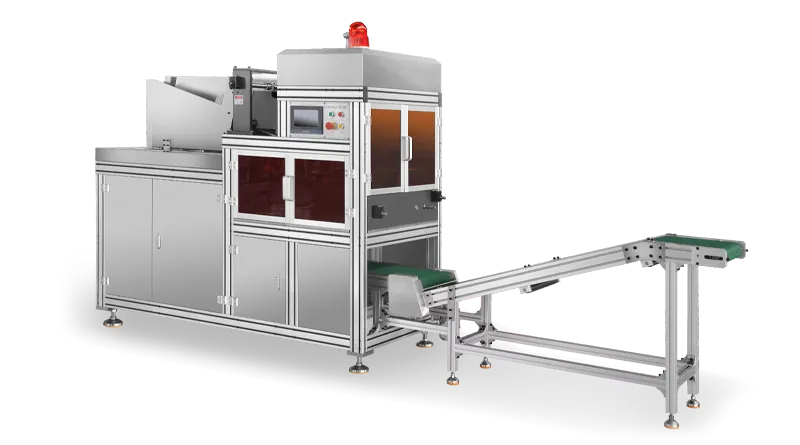
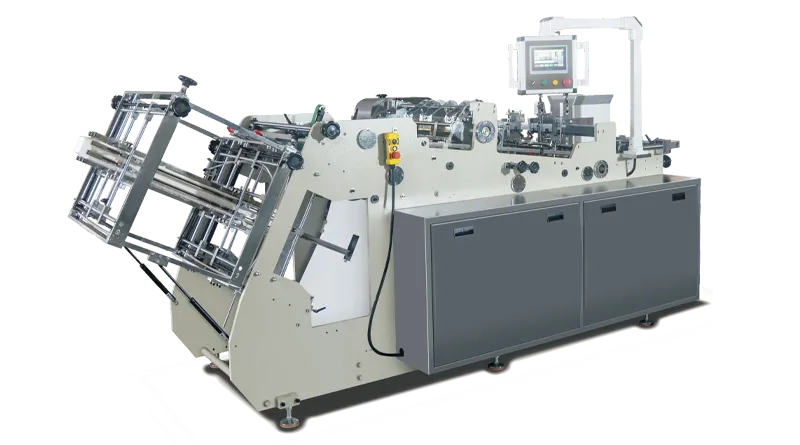
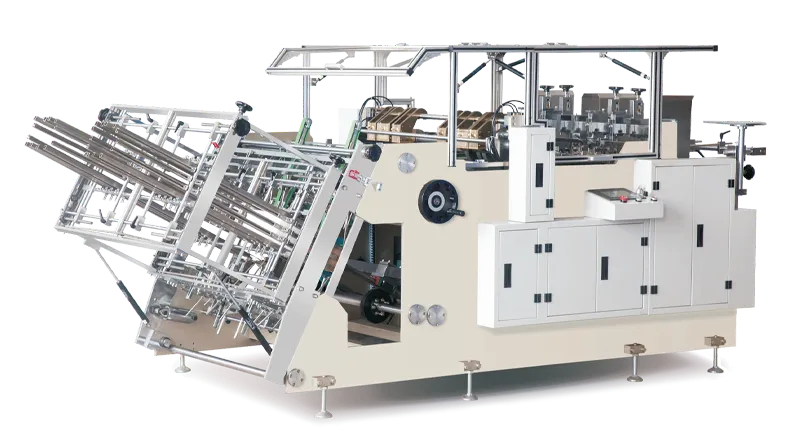
If you're evaluating whether an Automatic High Productivity Paper Carton Erecting Forming Machine belongs in your production line, the short answer is simple: any industry dealing with high-volume packaging, tight delivery cycles, and rising labor costs. From my experience working with packaging lines across different sectors, the shift toward automated carton forming systems isn’t just a trend—it’s a survival strategy.
Modern buyers are no longer asking “Should we automate?” but rather “How fast can we scale without sacrificing consistency?” That’s where high-speed paper carton production becomes critical.
The food industry has little tolerance for inconsistency. Whether it’s frozen meals, beverages, or bakery products, packaging must be fast, clean, and compliant. Manufacturers often rely on high-volume packaging solutions to keep up with fluctuating demand.
In one dairy facility I visited, manual carton forming created bottlenecks during peak hours. After upgrading to an automated system, their output increased significantly while maintaining strict hygiene protocols.
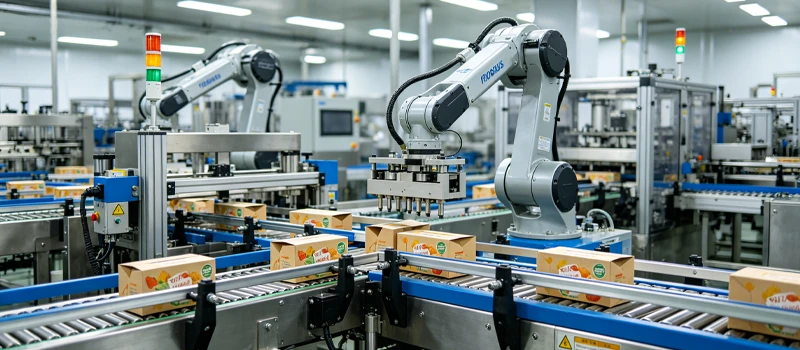
If you're in this sector and exploring upgrades, you can explore application cases that show how automation integrates with food-grade environments.
E-commerce doesn’t forgive delays. With same-day and next-day delivery becoming the norm, fulfillment centers need fast carton erecting machines that can keep pace with order spikes.
Unlike traditional manufacturing, logistics operations face unpredictable volumes. This is where on-demand box forming technology becomes valuable—machines that can adapt to different carton sizes without slowing down the line.
Many warehouse managers I’ve spoken to highlight labor shortages as a key issue. Automation here is less about luxury and more about continuity.
To understand how flexible configurations work in real scenarios, you can get selection guidance based on your throughput needs.
In pharmaceutical packaging, errors are costly—both financially and ethically. Carton forming must align perfectly with precision packaging requirements and regulatory standards.
Here, automation ensures repeatability. A well-calibrated system reduces human error, especially in medical carton packaging lines where labeling and structure must be exact.
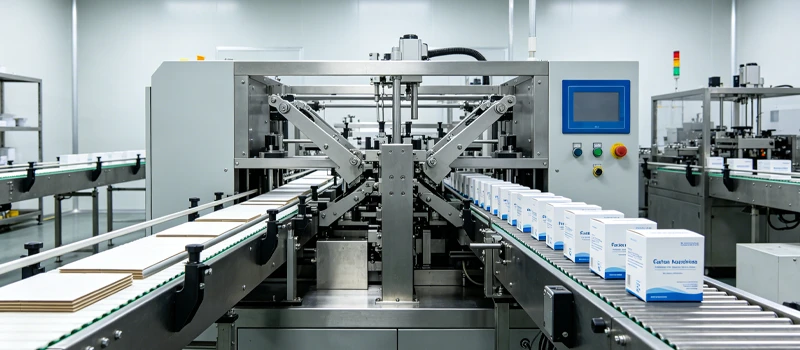
Interestingly, many pharma companies are now integrating smart packaging automation with traceability systems, creating a fully connected production environment.
For cosmetics, electronics, and personal care products, packaging is part of the product experience. Brands want speed, but not at the cost of presentation.
This is where customizable carton forming solutions shine. Machines must handle diverse designs while maintaining structural integrity. I've seen brands struggle when using generic equipment that couldn’t adapt to frequent SKU changes.
If your product line evolves quickly, you might want to view modular configurations that support flexible packaging formats.
Let’s be candid—manual and semi-automatic systems still exist for a reason. They’re cheaper upfront and easier to install. But they come with hidden costs: labor dependency, inconsistent output, and limited scalability.
This is where the Automatic High Productivity Paper Carton Erecting Forming Machine becomes a practical solution rather than a luxury. Compared to traditional equipment, it offers:
In contrast, semi-automatic machines often struggle with continuous production efficiency, especially under high demand.
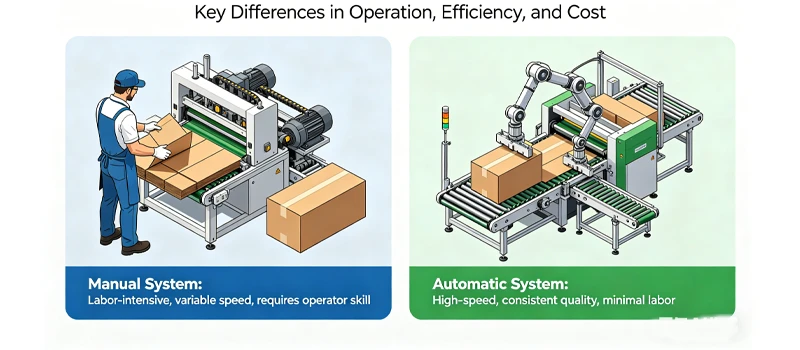
For businesses planning long-term growth, it’s worth taking a closer look at how automation aligns with operational goals. You can learn more about system capabilities before making a decision.
Not every factory needs the same level of automation—but every growing business eventually faces the same question: how to scale without chaos.
From what I’ve seen, the industries that benefit most are those dealing with volume, variability, and velocity. If your operation checks even two of those boxes, it might be time to rethink your packaging line.
The real advantage isn’t just speed—it’s control. And in today’s market, control is what separates reactive businesses from resilient ones.

Key node quality report push
Equipment performance test report
Old equipment upgrading program
Lifetime technical support
Professional engineers 1 to 1 program design