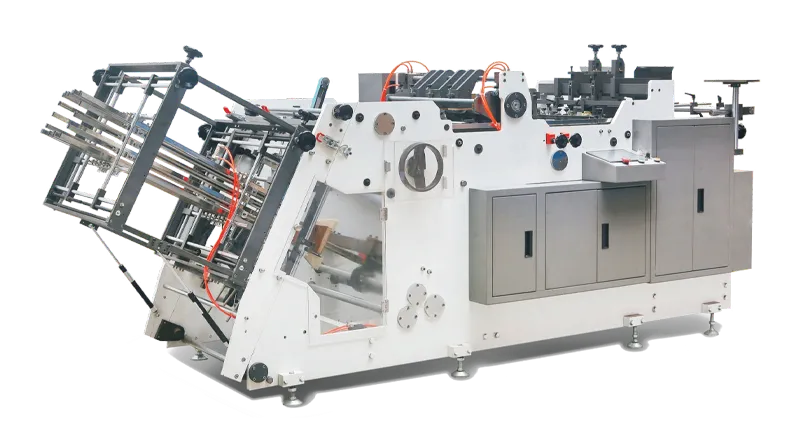
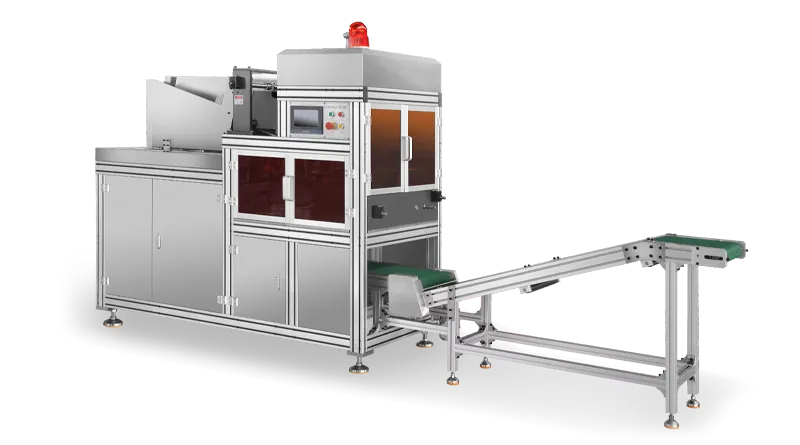
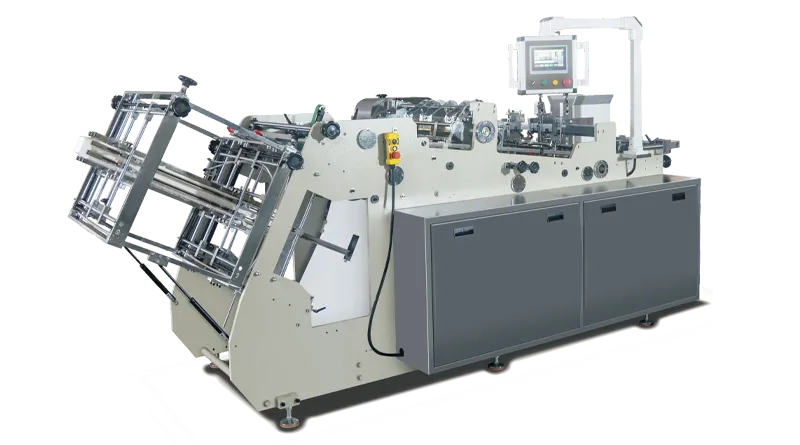
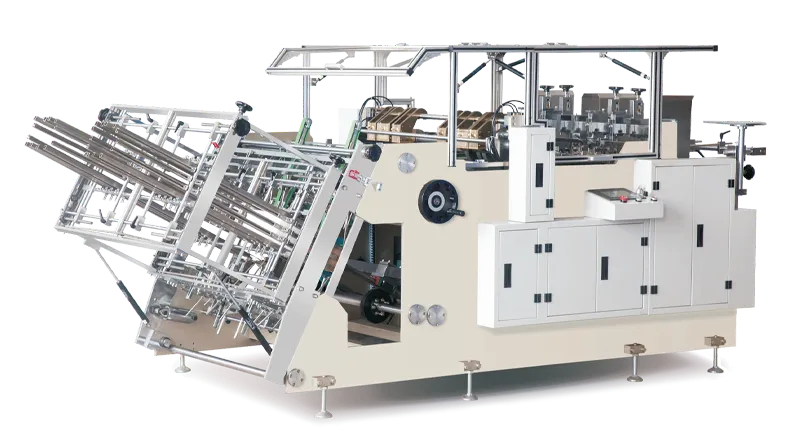
If you’re evaluating a Fruit Tray Forming Machine, here’s the practical answer upfront: choose based on your actual tray design complexity, production volume, and material type—not just speed or price. Many buyers overpay for capacity they never use, or worse, underinvest and face constant downtime. According to industry insights from packaging associations, automation level and material compatibility are the two biggest factors affecting long-term ROI in tray forming operations.
Most searches like “how to choose tray forming equipment”, “best machine for fruit packaging trays”, or “automatic paper tray forming solution” reflect a deeper concern:
Will this machine match my production reality six months from now?
Let’s break that down.
You’re not just buying steel and motors. You’re buying:
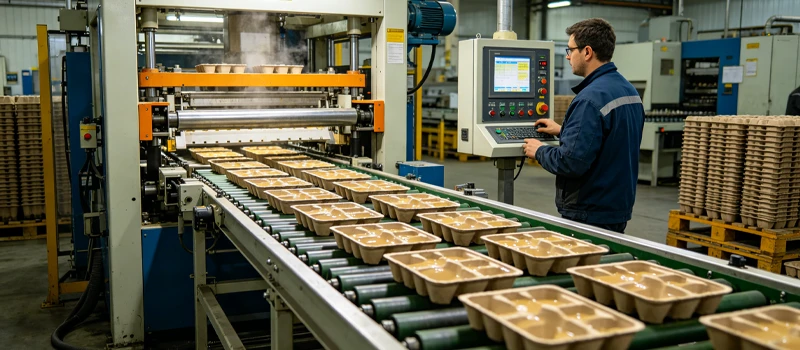
A citrus exporter I once worked with learned this the hard way. Their machine handled apples perfectly—but collapsed under the structural demands of heavier fruit trays. Same line, different reality.
Before diving into specs, ask a blunt question:
“What is my real daily output target?”
Because there’s a huge difference between:
If your operation runs under fluctuating seasonal demand, flexibility beats raw speed. Machines optimized only for high throughput often struggle with frequent size adjustments.
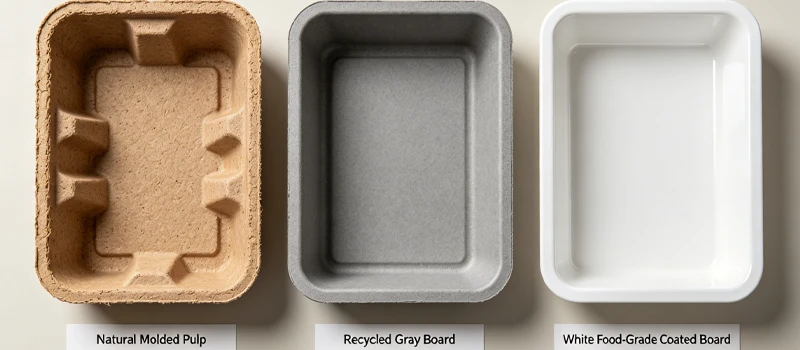
Here’s where buyers quietly lose money.
Not all machines handle:
…with equal efficiency.
Search trends like “machine for molded pulp vs paper tray forming” or “tray forming for eco-friendly packaging materials” show a clear shift: sustainability is no longer optional.
According to data from Smithers (a recognized packaging research firm), fiber-based packaging demand continues to grow due to plastic reduction policies—which means your machine must adapt, not resist.
Let me be direct:
A machine that takes 40 minutes to switch tray size is not efficient—no matter how fast it runs afterward.
For operations dealing with “multi-size fruit packaging production” or “custom tray orders for export markets”, this becomes a bottleneck.
Look for:
These features don’t show up in flashy brochures—but they decide your daily output reality.
This is the point where many buyers begin exploring more advanced systems.
A well-designed Fruit Tray Forming Machine today isn’t just about forming—it integrates:
…into one synchronized process.
If you want to see how these systems are structured in practice, you can check detailed configurations to understand what modern setups actually include.
.webp)
Let’s make it real.
Needs:
Prioritize “high precision tray forming system” and automation.
Needs:
Focus on “flexible tray forming machine for multiple formats”
Needs:
Look for “entry-level automated paper tray forming solution” with upgrade potential.
Here’s something I’ve seen repeatedly:
Two companies buy the same machine—and get completely different results.
Why?
Because one accepted a standard configuration, while the other optimized for:
Manufacturers like Forbona often provide tailored setups based on real production scenarios, which is why buyers searching for “custom fruit tray production equipment” or “tailored packaging machine solutions” tend to achieve better efficiency.
If you're comparing options, it’s worth taking a closer look at explore application solutions to see how configurations vary.
A machine decision shouldn’t be based on your current order sheet alone.
Ask yourself:
Because the right Fruit Tray Forming Machine is not the one that fits today—it’s the one that doesn’t limit tomorrow.
If you're still weighing options, you can get selection guidance to align machine specs with your actual business model.

Key node quality report push
Equipment performance test report
Old equipment upgrading program
Lifetime technical support
Professional engineers 1 to 1 program design