Jam. A single word that can drain profitability in a packaging line. When a sheet of cardboard snags in the forming station and the line goes silent, every second of downtime chips away at an order’s margin. One plant manager I spoke with recently called jams “the slow death of a shift target,” and that is hardly an exaggeration. Yet most jams are predictable—and preventable. This guide walks through the most frequent sticking points, giving you diagnostic steps you can apply right on the factory floor, whether you run a single‑lane carton former or a high‑speed inline setup.
A natural reflex is to yank out the crumpled board, reset, and restart. That clears the symptom, not the cause. The first rule of effective troubleshooting is to freeze the scene. Before removing the board, note:
At which station did the jam occur? Feeder, folding section, compression belt, or delivery?
Is the board creased, torn, or skewed?
Does the damage repeat on the same panel or corner?
Marking a thin pencil line on the jammed sheet against the machine frame will show you exactly how far it travelled. This simple habit turns a vague “the machine jams” complaint into actionable data. Log the findings in a shift report—patterns emerge within a week.
If the board never enters the forming zone properly, every downstream station will fight it. Feeder‑related jams often trace back to three root causes.
2.1 Incorrect vacuum or grip timing
Suction cups on a reciprocating feeder need to release the sheet at exactly the moment the transport lug takes over. A mistimed release—delayed by as little as 20 milliseconds—can buckle the leading edge. Check vacuum cup condition first: hardened or cracked rubber loses grip and alters timing. Replace cups on a calendar basis, not only when they fail. On machines with vacuum sensors, log the peak vacuum reading each morning; a gradual drop signals a leak or clogged filter.
2.2 Worn feeder belts and one‑way clutches
Feeder belts that glaze over with paper dust lose friction. A quick surface roughness test with a profilometer—or even the fingernail scratch test—will tell you if it is time for replacement. Equally overlooked is the one‑way clutch on the feed roller. A slipping clutch lets the roller back‑pedal between cycles, messing up sheet registration. If you see inconsistent gaps between sheets, suspect the clutch before you adjust the pile height.
2.3 Paper dust and static
Fine dust from recycled board builds a film on feed rollers and sensors. It acts like a lubricant where you want friction, and an insulator that traps static. Incorporate a quick roller wipe‑down at shift change and consider an ionizing bar above the feeder if static causes sheets to stick together. A simple relative humidity check helps too; keeping the feeder area above 45% RH often halves static‑related multifeeds.
Once the board enters the forming section, a different set of gremlins emerges. The panels need to bend cleanly along pre‑creased lines, yet a mismatch between crease depth and board thickness is the hidden culprit in many so‑called “machine” jams.
3.1 Crease‑to‑thickness ratio
For solid bleached sulfate (SBS) board, a crease depth of 50‑60% of caliper usually works well. But if you switch from 0.45 mm to 0.55 mm board without adjusting the creasing rule, the inner ply may crack or spring back, causing the panel to catch on folding guides. Ask your die‑maker for a crease depth micro‑adjustment, or install variable‑depth creasing bars if your machine supports them. Operators who document “creasing ruler height vs. board caliper” in a quick reference chart save hours of trial and error.
3.2 Worn folding belts and timing pulleys
Folding belts that run hot stretch over time. A stretched belt slips on the pulley, making the folding sword arrive a few degrees late—enough for the panel to miss its slot. Use a belt tension gauge monthly and compare values against the OEM specification. For toothed belts, inspect pulley teeth for “shark fin” wear; sharp teeth eat into new belts rapidly.
3.3 Glue‑string tangles
Hot‑melt glue strings that snap and wrap around folding arms can block a pocket in a split second. This often happens when the nozzle temperature is too low, causing the adhesive to draw a tail. Raise the nozzle setpoint in 5°C increments until the stringing disappears, but stay within the adhesive manufacturer’s recommended range. Equip each glue station with a non‑stick scraper blade that gently removes tails without affecting the bead placement.
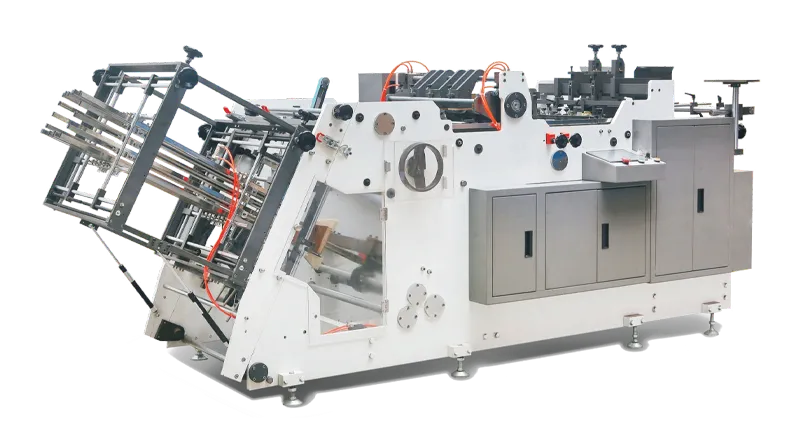
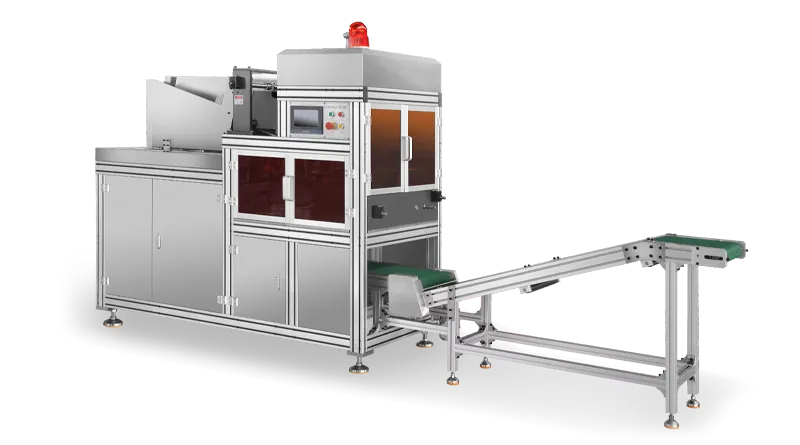
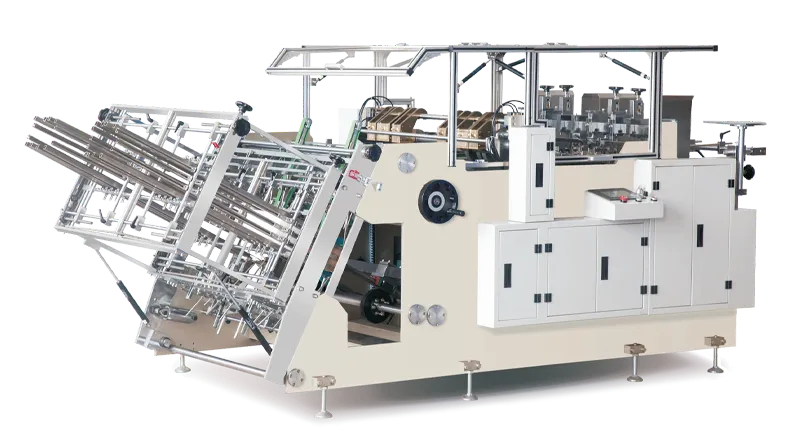
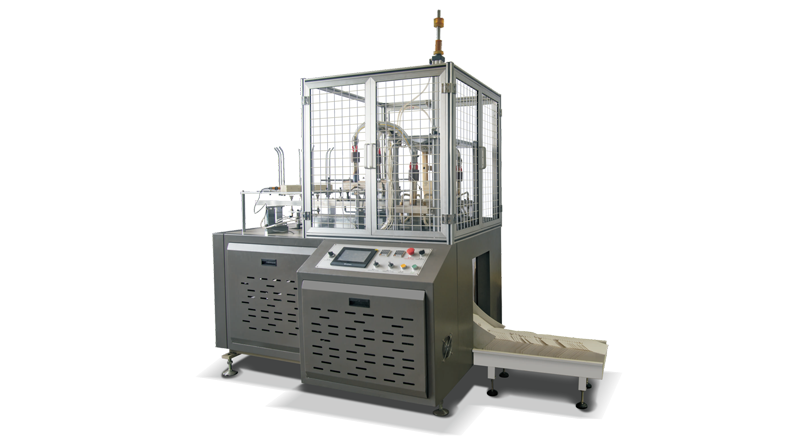
If these adjustments still leave you chasing intermittent stoppages, it may be time to evaluate whether your current forming unit gives you enough fine‑tuning control. Some production teams find that switching to a carton erecting system with digital fold‑sword timing eliminates the mechanical wear variables that cause drift. For a closer look at what a modern setup offers, you can view a precision paper box forming solution that addresses these pain points through servo‑driven movements rather than cam‑based timing.
Machine operators sometimes internalize blame for jams that originate well upstream. The truth is that board properties fluctuate between batches, and no amount of adjustment can compensate for material that is out of specification.
Moisture imbalance: Board stored in a cold warehouse and brought into a warm, humid plant will absorb moisture at the edges. The result is a wavy edge that wedges in guide rails. Allow 24‑48 hours for acclimatisation and use a calcium chloride desiccant near the feeder if you are in a coastal climate.
Caliper variation: Even a 5% variation across the sheet width can cause the folding station to over‑compress one edge while leaving the other loose. Caliper‑based feedback systems that automatically bias the folding rails are available on more advanced equipment. If you rely on manual adjustment, measure caliper at three points on a sample sheet every hour during a new batch run.
Curled corners: Sheets that are cut from the edge of a master roll often inherit curl. A decurler bar ahead of the feeder can flatten them, but the long‑term fix is a conversation with your board supplier about sheet layout on the reel.
A preventative checklist only works if it is short enough to be completed during a shift change. Distill your program to five high‑impact items:
Feeder vacuum filter – blow clean with dry compressed air (daily).
Creasing ruler height – compare against material caliper log (at every job change).
Folding belt tension – measure with gauge and record trend (weekly).
Hot‑melt nozzle temperature – verify with a hand‑held probe, not just the controller display (monthly).
Sensor lenses – polish with a microfibre cloth; dust triggers phantom jams (daily).
Post these items at the operator station with a QR code that links to a video demonstration. The visual reference reduces mistakes and shortens training for new hires. In a factory that ran three‑shift carton forming, implementing just the daily vacuum filter check cut feeder‑related stoppages by 37% within two months, according to an internal report that the maintenance supervisor shared at a TAPPI conference.
When a jam does force a stop, document it with a photo (with a timestamp) and a one‑sentence root cause. Over 90 days, you will have a Pareto chart that shows whether most of your jams stem from feeder faults, folding issues, or material defects. This data‑driven approach replaces guesswork and directs your capital spend—whether it is upgrading feeder technology, retraining operators, or qualifying a second board supplier.
Even with disciplined troubleshooting, certain jams point to a deeper design mismatch. For instance, if you consistently struggle with thin‑wall boxes that collapse under vacuum, or micro‑flute corrugated stock that fractures on sharp folding guides, you may be pushing a general‑purpose machine beyond its sweet spot. In those cases, discussing your specific product range with an application engineer often pays back the consultation time within the first month of production.
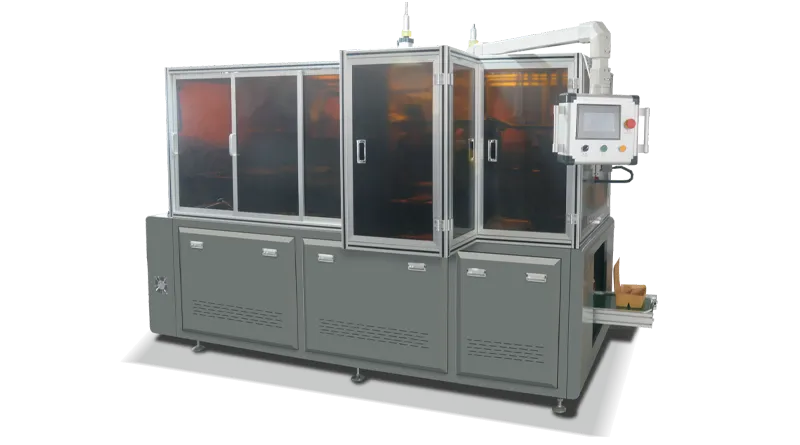
If you are curious how purpose‑built engineering tackles these limits, the Forbona range includes systems with adaptive blank‑detection that retracts folding mandrels the instant a mis‑feed is sensed, effectively preventing the cascade of crushed cartons that follows a feeder slip. You can explore the automation features of this carton forming equipment to see how modern motion‑control logic turns what used to be a “clear and restart” event into a self‑corrected cycle.
A carton forming line that rarely jams isn’t magic; it’s the result of tight material specs, well‑maintained mechanical components, and sensors that catch a drift before it becomes a fault. The same plant manager who called jams “the slow death of a shift target” now runs a board‑acclimatisation protocol, a ten‑minute shift‑start checklist, and a monthly belt‑tension logging routine. His line utilisation jumped from 72% to 89% in a single quarter. No six‑figure retrofit—just a systematic approach to the variables that matter.
Wherever you are on that journey, the goal is the same: turn the jam alarm from a daily annoyance into a rare exception. A reliable carton forming process pays for itself not in dramatic hero moments but in the steady, quiet hum of boxes being made on schedule.
If you’re evaluating ways to bring that kind of predictability to your packaging floor, you might want to get configuration details for a dedicated box forming line.
Disclaimer: This article provides general troubleshooting guidance and does not substitute for the equipment manufacturer’s specific maintenance manual. Always follow lockout/tagout procedures before entering any machine zone. The internal report data mentioned is illustrative and may not reflect all operating environments.

Key node quality report push
Equipment performance test report
Old equipment upgrading program
Lifetime technical support
Professional engineers 1 to 1 program design