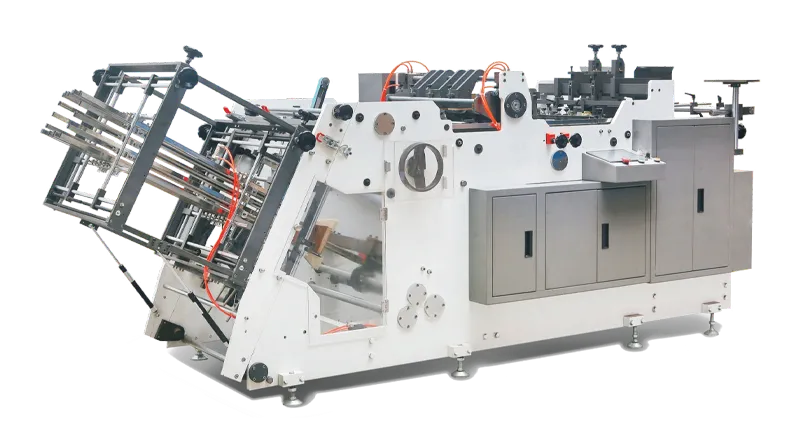
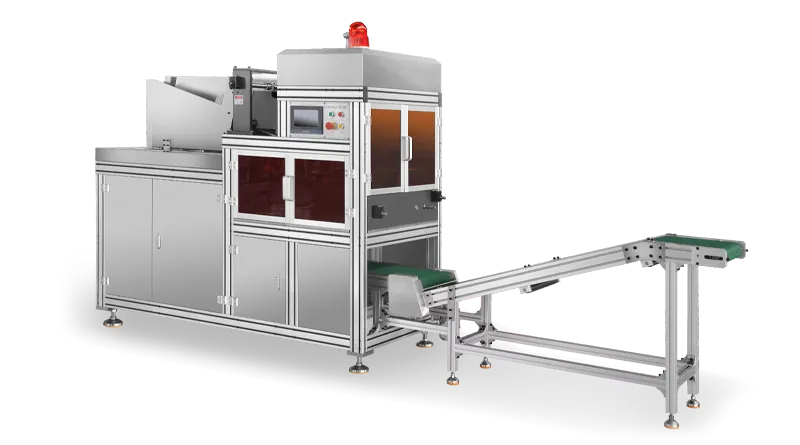
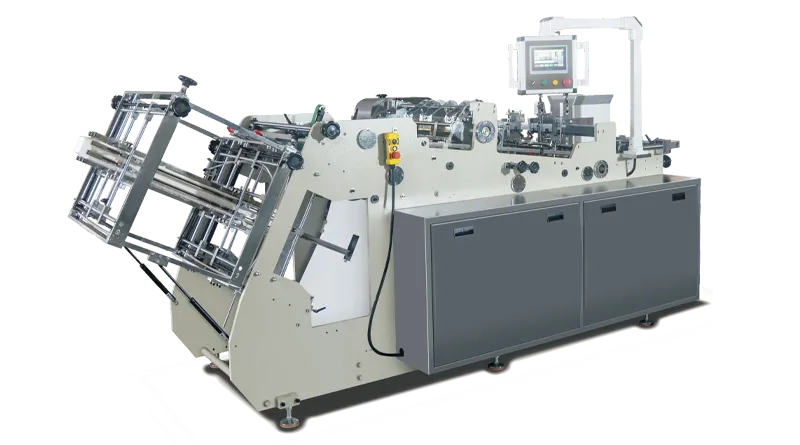
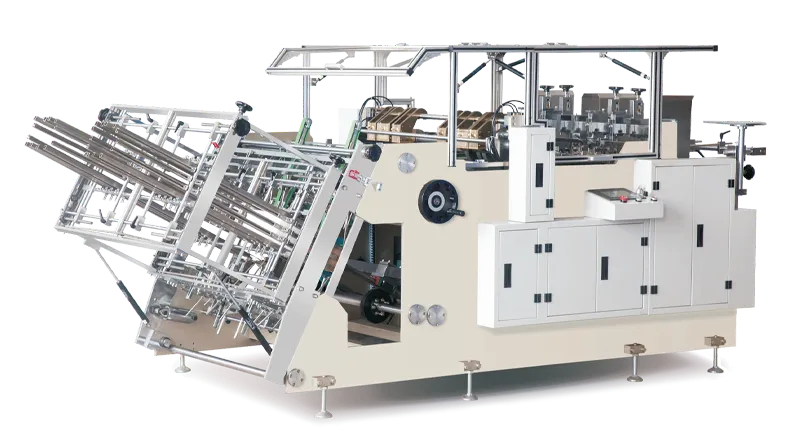
It’s 2:37 a.m. when the line stops. A worn timing belt has thrown the folding sequence out of sync, and three operators are standing idle while the maintenance supervisor squints at a grease-caked inspection panel. The root cause isn’t a design flaw or a material defect—it’s a lubrication interval that got skipped three weeks ago during a shift change. Small misses, multiplied over time, devour the service life of carton converting equipment just as surely as a major crash. For packaging converters running tight margins and just-in-time orders, that 2 a.m. silence translates into missed ship windows and penalty clauses. The good news is that most of these failures are preventable with a structured, practical maintenance routine—one that treats your machinery less like a black box and more like the precision system it actually is. If you’re evaluating upgrades or simply want a more maintenance-friendly production setup for rigid boxes, understanding what proper care looks like is the first step toward longer asset life.
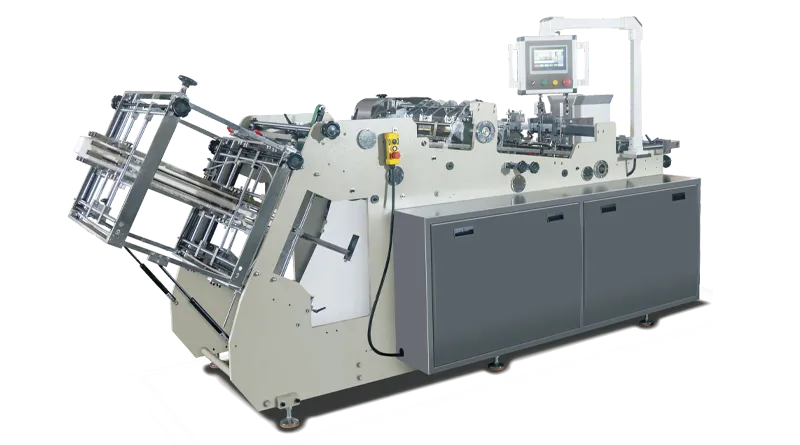
Carton production equipment operates in a hostile environment: paper dust, adhesive overspray, high cycle rates, and fluctuating shop-floor temperatures. Even a well-built machine will degrade rapidly if it’s not cleaned and adjusted on schedule. According to a 2023 packaging machinery reliability study by the Institute of Packaging Professionals (IoPP), unscheduled downtime in box plants still averages 14% of total operating time, and nearly half of those events trace back to skipped or incomplete preventive maintenance. The economics are stark—replacing a scored bending beam or a set of gripper bars prematurely can cost anywhere from $3,000 to $18,000, whereas the annual cost of a disciplined maintenance program is typically less than the price of one emergency gearbox replacement.
There’s also a subtler loss: geometric drift. When guides, stops, and fold plates aren’t checked regularly, crease accuracy degrades by 0.2 to 0.5 mm over several weeks. The resulting boxes still look “fine,” but reject rates climb and glue bonding suffers. Operators then compensate by slowing the machine, which masks the drift while eroding throughput. A well-maintained paper box making machine, by contrast, holds its centerlines for years, delivering consistent folding precision at rated speed.
Maintenance managers who get the longest life from their carton equipment don’t rely on a single long checklist. They structure care into four frequencies, each with a specific goal: detect, clean, adjust, and forecast.
Visually scan the entire forming path, including pre-feeder belts, suction cups, glue nozzles, and delivery stacker. Look for loose fasteners, adhesive build-up, or paper dust accumulation thicker than a fingernail.
Cycle the machine empty for five strokes at low speed while listening for rhythmic knocking, air leaks, or chain slap. A change in sound is often the earliest warning of wear.
Verify that centralized lubrication reservoirs are at the correct level and that pump discharge is reaching every metering unit. If the system uses progressive dividers, check the cycle indicator pin movement.
Wipe down photo-eye lenses and reflectors with a dry microfiber cloth. Adhesive mist clouds these sensors quickly, leading to false misfeed alarms.
Remove guarding and vacuum out paper dust from gear housings, chain guards, and cam boxes. Paper dust is hydroscopic—it absorbs moisture and forms a paste that abrades moving surfaces.
Inspect chain tension on the main drive and cross-transfer chains. A chain that’s tensioned beyond 2% elongation over the manufacturer’s spec accelerates sprocket tooth wear exponentially.
Check the mechanical timing of the folder-gluer section: with the machine at TDC (top dead center), verify that the folding hooks meet the blank at the correct lead angle. A shift of even one tooth on the timing pulley will cause erratic fold quality.
Flush the glue system with warm water if using PVA adhesive, and inspect nozzle tips for dried clots. Clogged nozzles create intermittent starvation that operators often misdiagnose as a feeding problem.
Measure the clearance on linear guide rails at the blank positioning station. Any rail showing more than 0.05 mm of play in the load-bearing direction should be re-shimmed or replaced.
Inspect the surfaces of the scoring and cutting dies. A die with micro-chipping on the cutting edge isn’t just producing rough edges—it’s increasing the stripping force, which transmits shock loads back through the press frame.
Test the pneumatic system for internal leakage: clamp each cylinder at mid-stroke, isolate the circuit, and watch for pressure decay over 30 seconds. Cylinders that leak internally cause delayed movements and crossover timing errors.
For a paper box making machine with servo-driven axes, re-home all axes and compare the actual position feedback with the commanded values at three points along the travel. A deviation of more than 0.1 mm suggests encoder coupling wear or mechanical backlash.
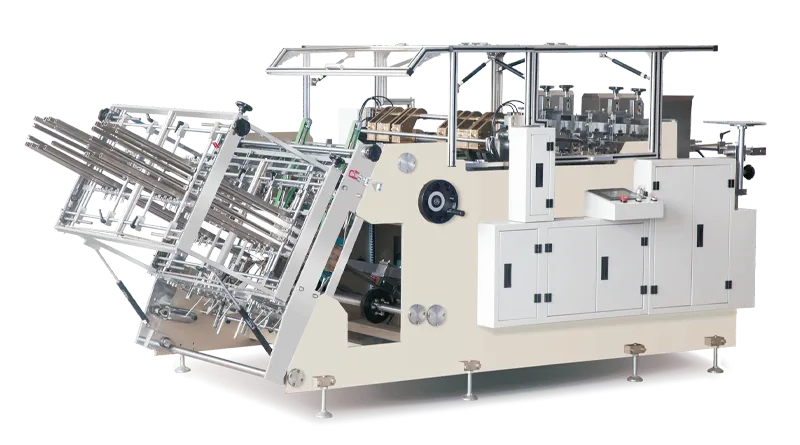
Drain and replace gearbox oil, sending a sample for spectrographic analysis if the machine runs more than 4,000 hours per year. Elevated iron or copper levels signal bearing or worm gear wear long before vibration spikes.
Replace all timing belts and drive belts on a calendar basis, not just when they crack. On high-speed carton lines, belt failure between inspection intervals is a top-three cause of collision damage.
Perform a full geometric alignment check on the frame using a laser interferometer or a precision machinist’s level. A frame that’s settled or twisted by 0.3 mm/meter forces guide rails and cam followers to carry edge loads, cutting their fatigue life by 50% or more.
Many plants find that upgrading to a machine platform designed with quick-access maintenance panels and automated lubrication cuts the time required for these routines by a third, directly improving compliance.
Even plants with good intentions fall into predictable traps. The most expensive is the “grease is grease” mentality. Carton forming mechanisms often combine high-load steel-on-steel cams with high-speed rolling-element bearings. A lithium grease that works beautifully on a plain bearing can overheat and carbonize inside a needle bearing, blocking oil flow within weeks. Always match the lubricant to the specific bearing type and speed factor (DN value).
Another trap is resetting safety sensors without investigating the root cause. If a jam sensor tripped, someone needs to find the bent blank stop or the piece of chipboard lodged behind the folder plate before hitting reset. Simply cycling power and restarting hides the evidence until the next, larger jam cracks a cast-iron component.
Third is the underfunding of the spare parts crib. The 80/20 rule applies: 20% of wear parts cause 80% of downtime. Identify that short list for your specific machine—gripper springs, suction cups, folding hook tips, shear pins—and keep them on the shelf in sealed, labeled bins. When an operator spends 45 minutes searching for a part that costs $12, the math doesn’t add up.
Forward-thinking maintenance teams are layering predictive tools on top of their preventive routines, and the results are compelling. Vibration analysis, done quarterly with a handheld tri-axial sensor, can detect a spalling bearing race six months before audible noise appears. Thermal imaging of electrical cabinets reveals loose connections or failing solid-state relays before they cause intermittent shutdowns. Even simpler, a $200 ultrasound gun can pinpoint compressed-air leaks that add hundreds of dollars to the monthly energy bill.
The most transformative shift, however, is integrating condition monitoring into the machine controller. Modern carton production equipment can track cam-follower cycle counts, compare torque profiles against baseline signatures, and flag trends that predict wear. This isn’t futuristic—it’s available now on machines with motion controllers that log servo data. A plant that adopts these tools can extend mean time between failures (MTBF) from 800 hours to well over 3,000 hours, based on data collected across rigid box operations in Southeast Asia and Europe.
No checklist survives a culture that treats maintenance as a secondary task. The plants that get 20+ years from a paper box making machine share a few cultural markers: maintenance tasks are scheduled in the production MES and have equal priority with orders; operators do the daily and weekly checks themselves—they’re not farmed out to a separate department; and every shutdown, even a two-minute jam clear, gets a one-line log entry. Over months, that log becomes an early-warning system. Patterns emerge: “jam at station 3 always happens 90 minutes after start-up on Tuesdays”—which points to a thermal expansion issue on a specific guide rail.
This blend of disciplined routine, the right data, and an ownership culture turns maintenance from a cost center into a profit protector. Equipment life doubles or triples, emergency repair budgets shrink, and the production schedule becomes predictable enough to accept tighter-deadline orders at higher margins.
If you’re aiming for that level of reliability in your finishing department, you might find it helpful to review solutions specifically engineered for simplified daily upkeep and long-term durability. The right maintenance routine, paired with machinery designed to make those routines easy to execute, is the closest thing to a guarantee in the packaging business.

Key node quality report push
Equipment performance test report
Old equipment upgrading program
Lifetime technical support
Professional engineers 1 to 1 program design